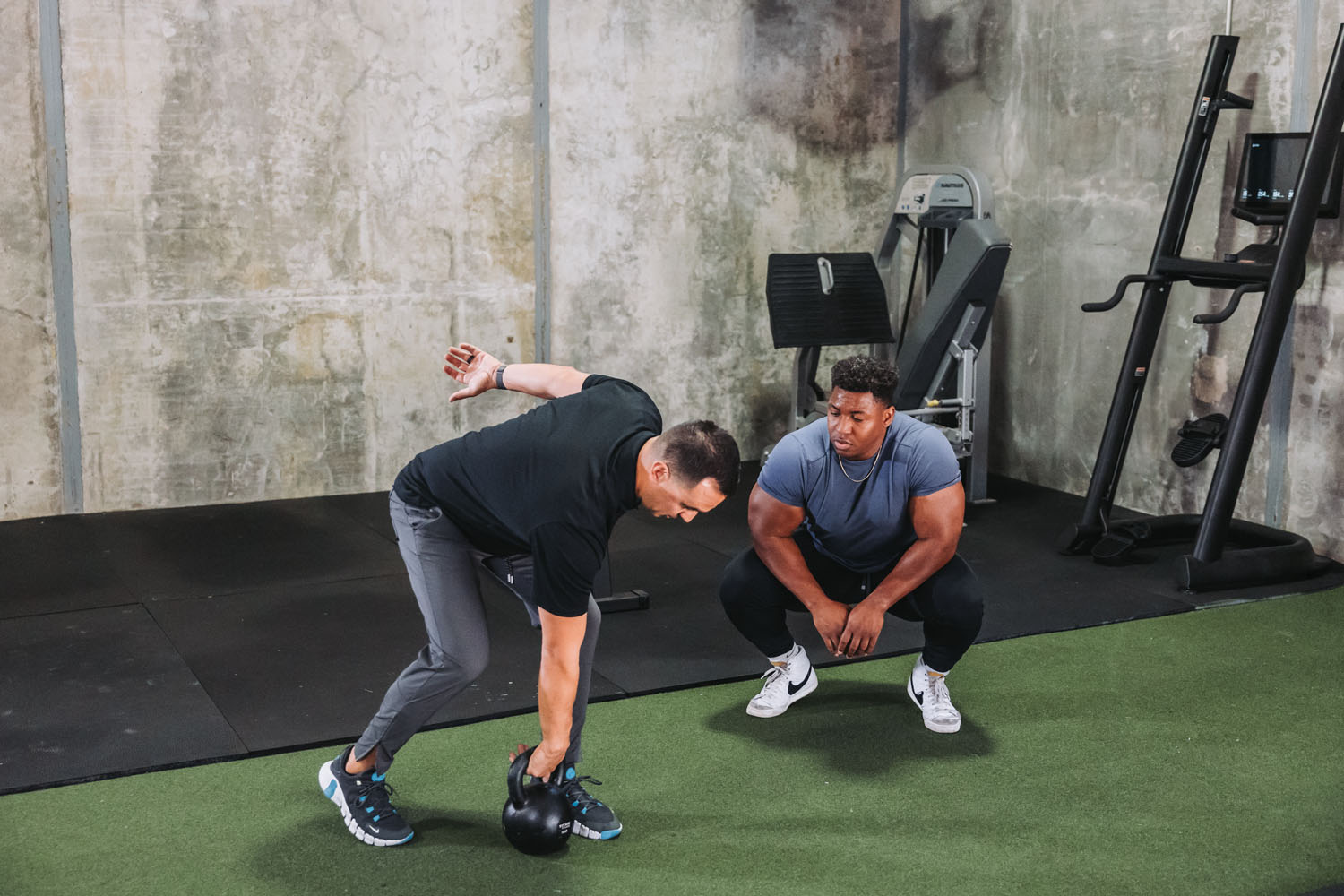
Running Physical Therapy and Gait Analysis in Edmond, OK
The Running Clinic of the OKC Metro
Running injuries don't have to be your new normal. We identify what's actually causing the breakdown — then build you back to your training plan stronger and more resilient.
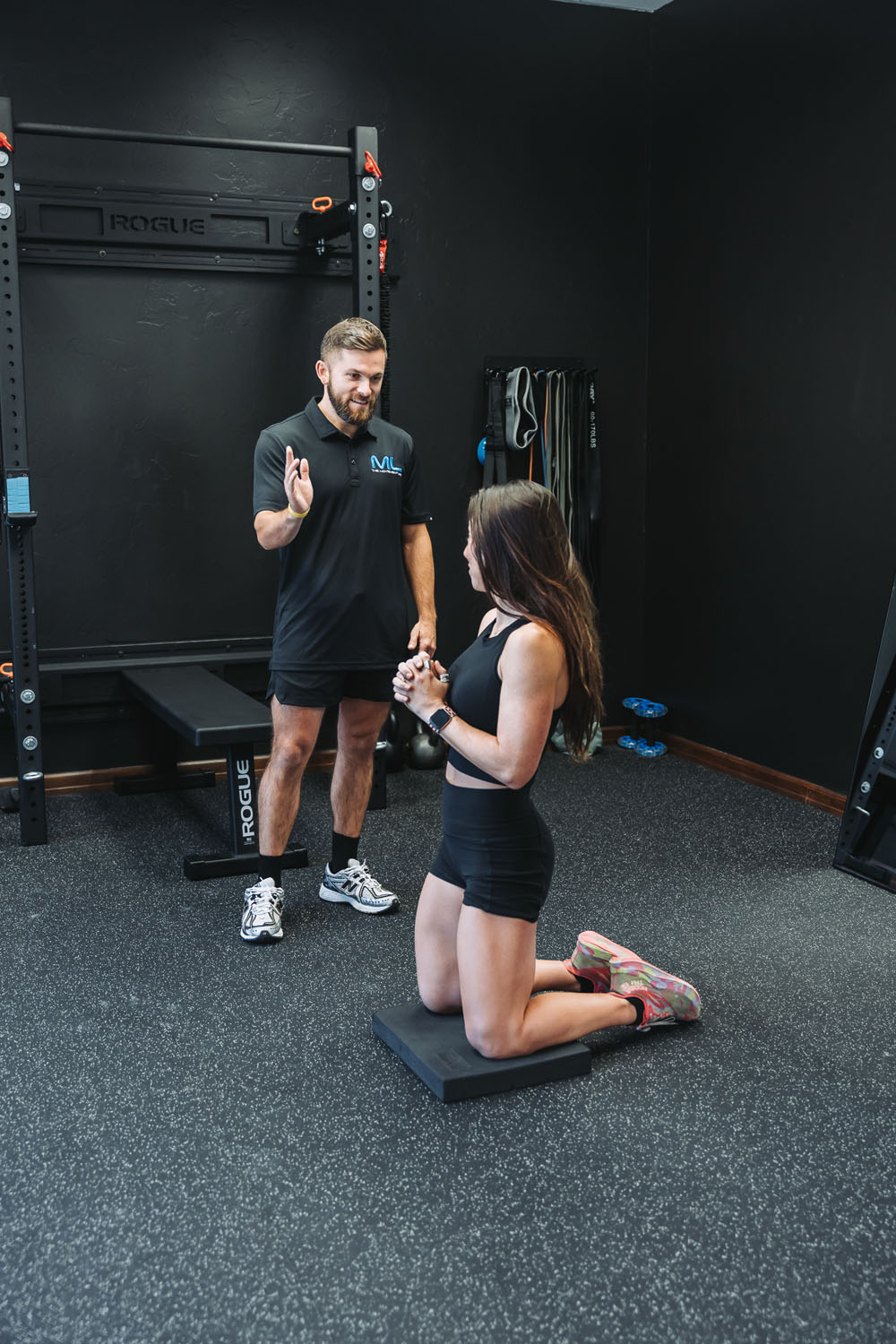
What Keeps Happening When No One Addresses Your Running Mechanics
The Injury Returns Every Time You Ramp Back Up
Rest, ice, and generic stretches may reduce inflammation. But nothing changes mechanically. So when training volume climbs again, the same tissue pays the price.
You've Done PT Before — And You're Still Getting Hurt
Most PT addresses the pain, not the movement pattern driving it. Without video gait analysis and running-specific assessment, the root cause goes unaddressed.
The Fear of Re-Injury Has Changed How You Run
Bracing, favoring, and holding back become habits after injury. Without objective evidence of readiness, returning to full training speed is a guess — not a plan.
Why Runners Choose The Movement Lab Over Generic PT
We built our running program around one principle: runners deserve a DPT who understands running from the inside. We are runners and endurance athletes — and we treat this accordingly.
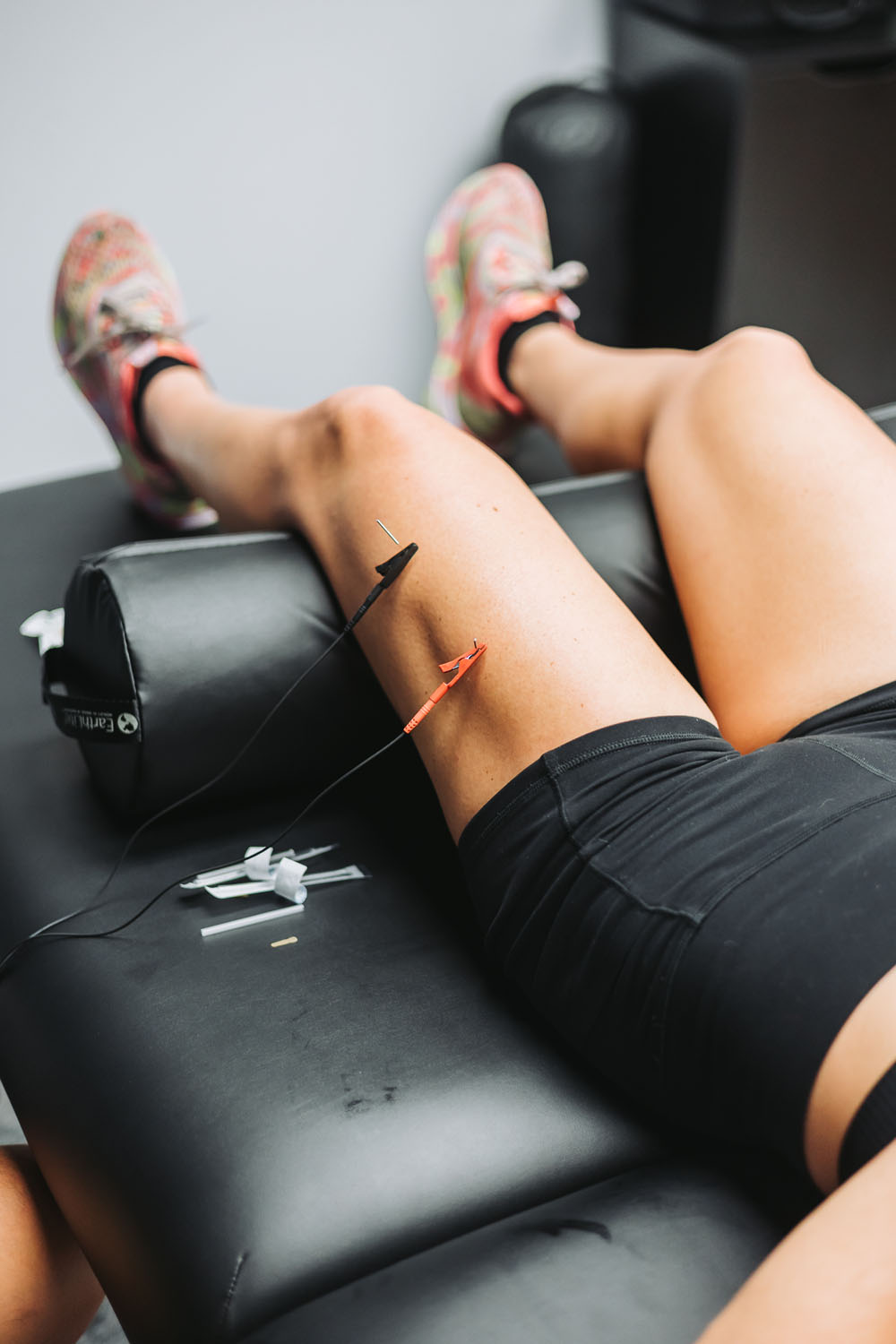

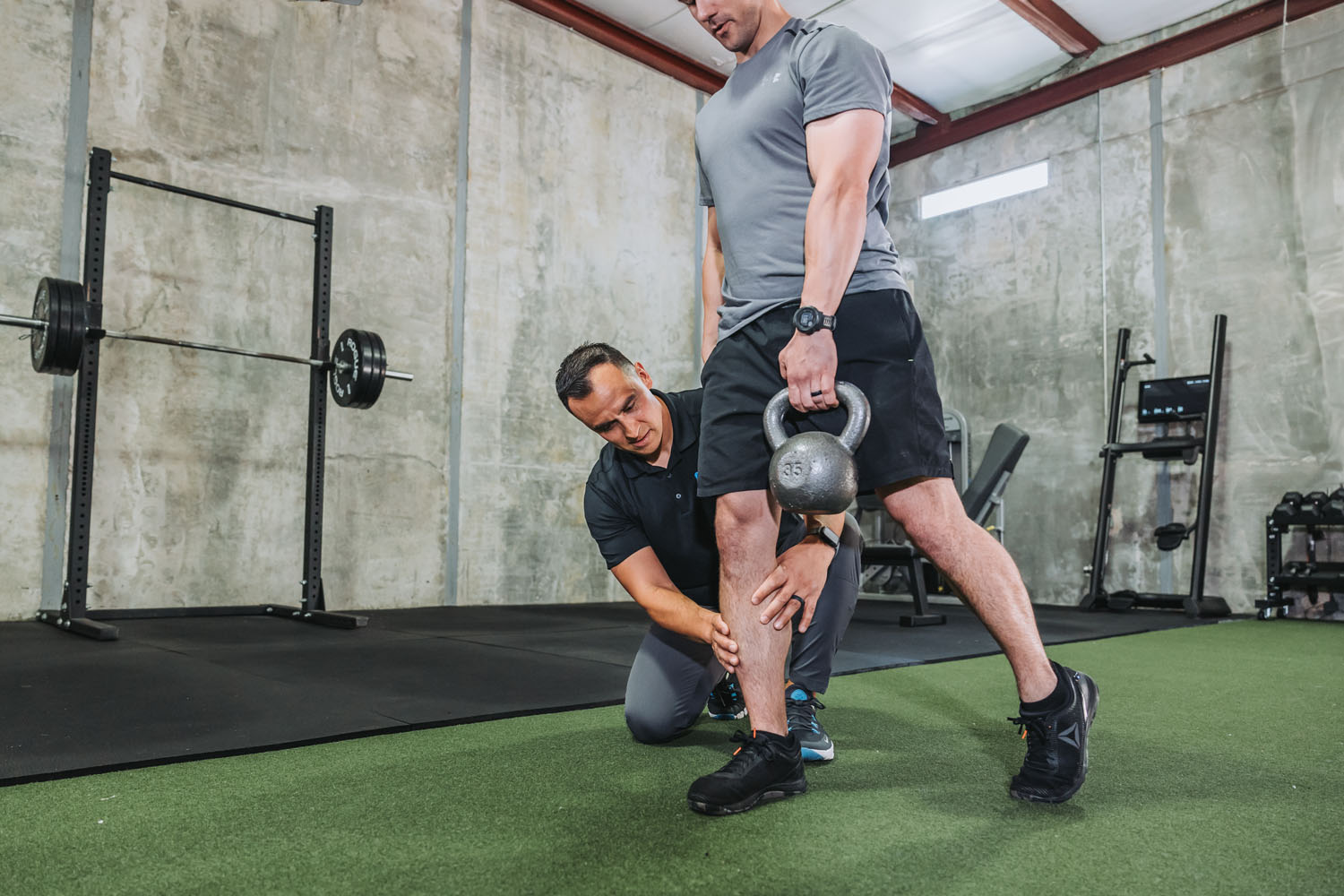
What Brings Runners Through Our Door
We work with recreational runners and competitive athletes across every distance — from 5K to ultramarathon. Here's what we see most:
Runner's Knee (Patellofemoral Pain) — pain at or around the kneecap that flares on downhills, stairs, or during long runs
IT Band Syndrome — outer knee or hip pain that shows up after a consistent number of miles, then disappears with rest and returns with mileage
Plantar Fasciitis — heel and arch pain that's worst in the morning or after long sits, limiting training and daily movement
Simple 3-step process to get you moving
Gain Direction
A comprehensive initial evaluation uncovers the root cause of your pain or movement limitation — so we know exactly what we're addressing from session one.
Build Confidence
We address those root causes with hands-on treatment and progressive programming that builds real strength and resilience over time.
Fortify Your Movement
Progress beyond where you were before — moving with confidence, staying strong, and getting back to the activities you love without fear of injury.
What Runners Are Saying About The Movement Lab
Real results from real runners who came to us with pain, a race goal, or both.


Frequently Asked Questions
Questions about running PT, gait analysis, or how we approach running injuries? Here are the most common ones.
Usually not. We work with your training schedule rather than against it. Depending on what we find, we may modify your volume or intensity while we address the root cause — but our goal is to keep you running as much as safely possible throughout the process.
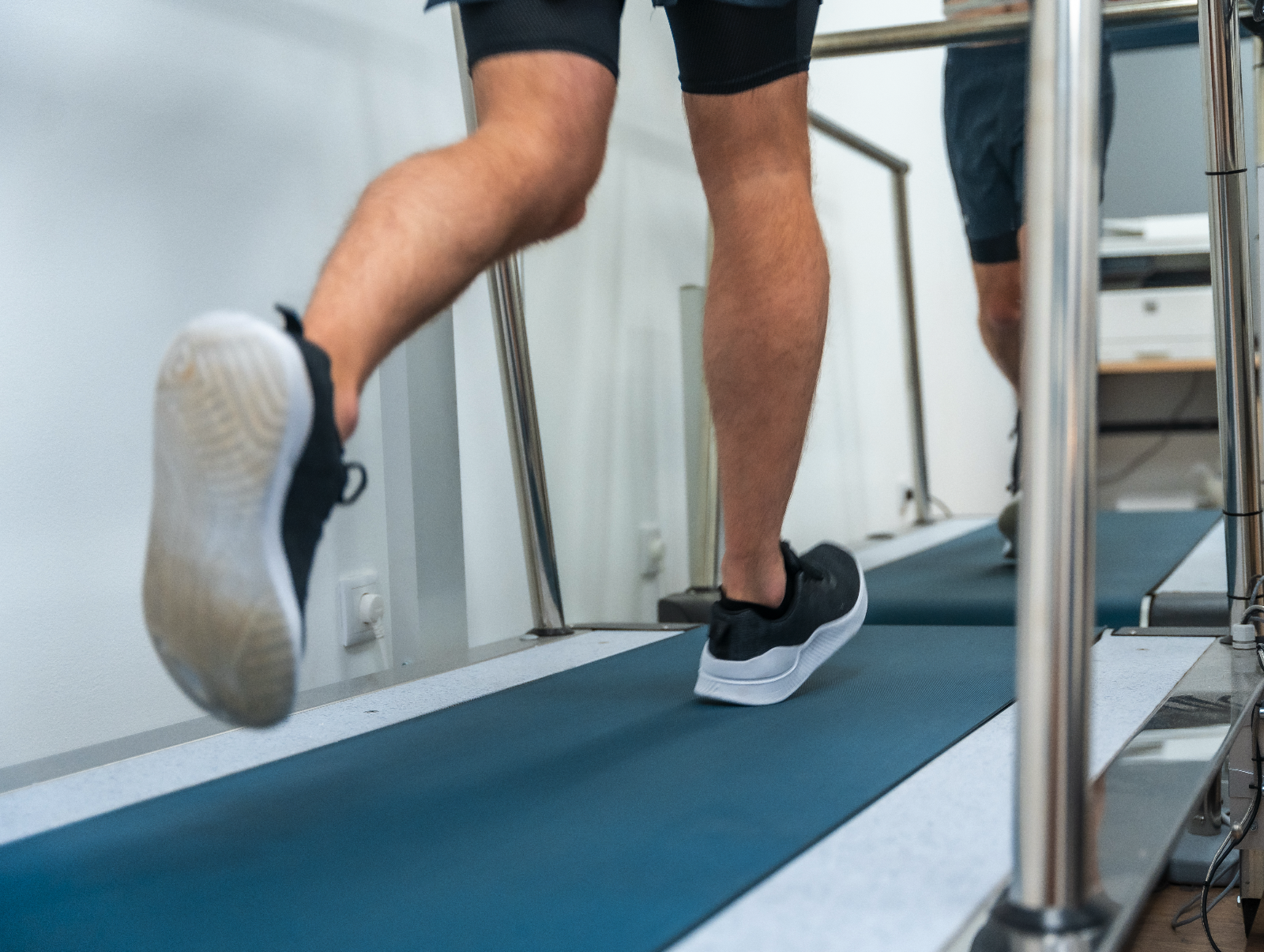
Slow-motion video lets us assess your foot strike, hip mechanics, cadence, and overall running form in a way that's impossible to catch in real time. We walk you through the footage so you can see exactly what's happening — and understand how your mechanics are contributing to your pain or limiting your efficiency.
Both — and everyone in between. We work with 5K runners and ultramarathoners. The assessment process is the same: identify the mechanical root cause, address it directly, and build you back with progressive programming that accounts for the demands of your actual training.
That depends on what we find — but we'll give you a realistic timeline from your very first visit. We use objective testing throughout care so you and your DPT have real data on where you are relative to return-to-run readiness, not just a gut feeling.
We work with both. Injured runners come to us to address pain and get back to training. Healthy runners come to us for gait analysis, run programming, or to understand their mechanics and reduce injury risk. If performance matters to you, there's value in knowing how you move.
Still have questions?
Still have questions about running PT or gait analysis? Give us a call — we're always happy to talk through what you're dealing with before you commit.
Ready to Run Without Pain — and Race with Confidence?
Book your free discovery call. We'll talk through your training, your injury history, and what it would take to get you back to the miles you love.